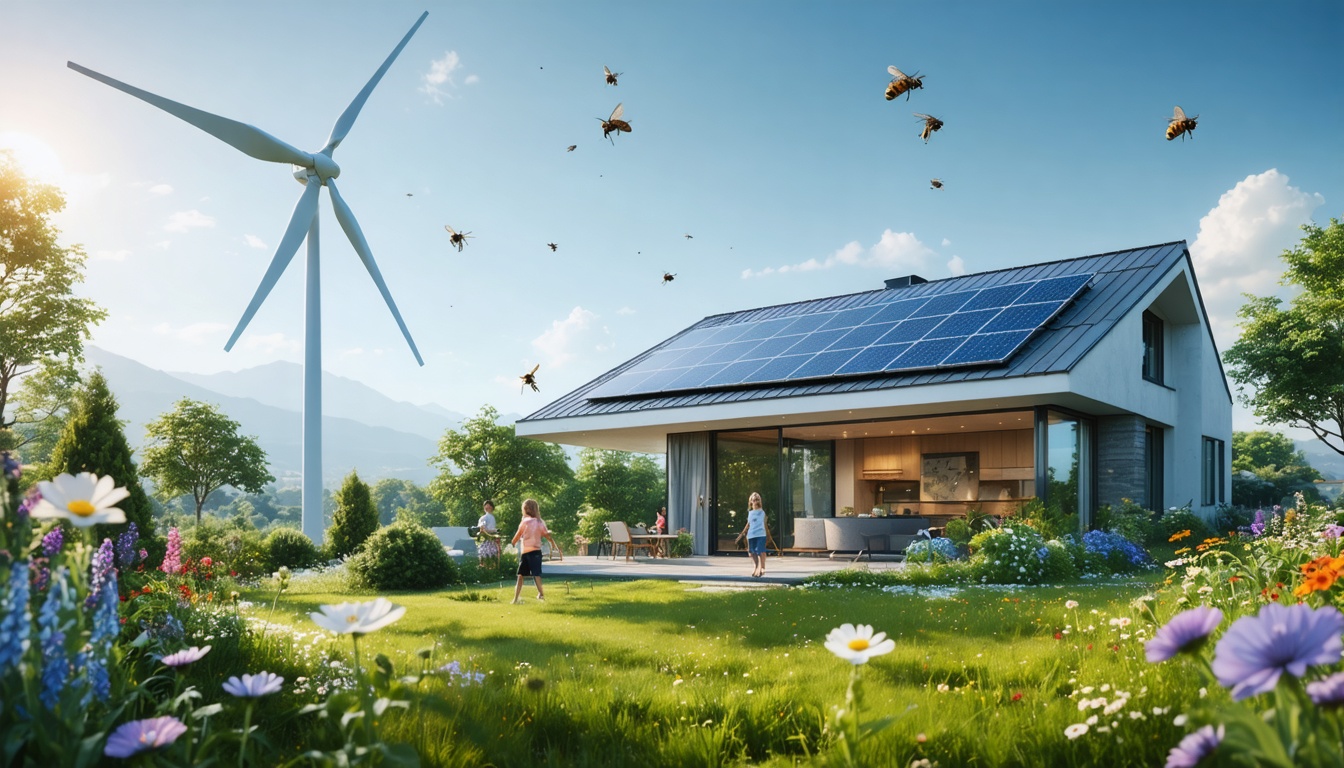
The Environmental Benefits of Choosing Renewable Energy at Home
Choosing renewable energy for residential use has significant implications for environmental sustainability. By utilizing sources such as solar, wind, or hydroelectric power, homeowners can substantially reduce their reliance on fossil fuels, which are major contributors to greenhouse gas emissions. This transition aids in lowering air pollution, leading to improved public health outcomes and reduced environmental degradation. Additionally, renewable energy resources are often more sustainable in the long term compared to their non-renewable counterparts. Solar and wind energy, for example, rely on natural processes that are not depleted with use, ensuring ongoing availability. This contrasts with fossil fuels, which are finite and entail extensive extraction processes that can result in habitat destruction and water contamination. Furthermore, renewable energy adoption can help conserve vital natural resources. By decreasing the need for coal, oil, and natural gas, which require considerable water for extraction and processing, greater efficiency in resource use is achieved. This is particularly important in regions facing water scarcity. In summary, selecting renewable energy for your home can lead to decreased emissions, conservation of resources, and enhancement of local environmental quality. Understanding these aspects can help homeowners make informed decisions that contribute to both personal energy sustainability and broader environmental goals.
What Is Renewable Energy?
Renewable energy is sourced from natural resources, including sunlight, wind, and water, which can be replenished at a rate that outpaces that of fossil fuels. In residential applications, technologies such as solar panels, heat pumps, and wind turbines are employed for electricity generation and heating, typically resulting in lower greenhouse gas emissions compared to conventional energy sources.
As cities and economies work towards achieving Net Zero targets, there is an increasing reliance on renewable energy to help reduce carbon emissions and enhance air quality.
The transition to renewable energy sources not only aids in environmental sustainability but can also foster economic growth by generating jobs, reinforcing supply chains, and decreasing annual carbon dioxide emissions.
Renewable energy, grounded in natural processes, offers substantial solutions to climate-related challenges for urban areas in the United States, correlating with wider sustainability efforts.
Reducing Greenhouse Gas Emissions
The transition of households to clean energy sources such as solar and wind power is linked to a measurable reduction in greenhouse gas emissions associated with energy consumption. The implementation of renewable energy systems, including solar panels, wind turbines, and heat pumps, can lead to a decrease in carbon dioxide emissions and a reduced dependence on fossil fuels.
Cities and homes that utilize cleaner electricity generation methods can align with both economic and environmental goals. Renewable energy systems are largely derived from natural resources and generally produce minimal to no greenhouse gas emissions during their operational periods.
In the United States, various financial incentives, including tax credits, are offered to support households in adopting renewable energy systems. These sustainable energy options play a crucial role in efforts to attain net-zero emissions, potentially contributing to job creation and mitigating the effects of climate change.
The movement towards renewable energy sources presents a practical strategy for addressing greenhouse gas emissions at both local and national levels.
Improving Air and Water Quality
Households often evaluate the economic aspects of alternative energy sources, but it is important to recognize their specific effects on community air and water quality. For instance, working with Solar Installers in Yonkers to install solar panels can significantly decrease greenhouse gas emissions and air pollutants that are typically produced by fossil fuels and conventional power generation methods.
For example, the installation of renewable energy systems in homes—such as solar panels, heat pumps, or wind turbines—can lead to reductions in carbon emissions. This shift not only offers potential savings on energy costs for individuals but can also contribute to enhancements in public health. Studies indicate that poor air quality is responsible for approximately 7 million premature deaths worldwide each year.
The adoption of cleaner energy sources, combined with the implementation of electric vehicles and sustainable practices, can further diminish the emissions of greenhouse gases, including carbon dioxide and nitrogen oxides. These reductions play a crucial role in meeting net-zero emission goals and can lead to improved urban environments both in the United States and internationally.
In summary, the move toward renewable energy presents significant public health and environmental advantages.
Minimizing Environmental Impact
Transitioning from conventional energy sources to renewable options can effectively reduce the environmental impact associated with household energy consumption. The implementation of renewable energy technologies, such as solar panels, heat pumps, and wind turbines, can lead to lower carbon emissions, contributing to cleaner electricity and heating solutions. Research indicates that this transition can result in decreased greenhouse gas emissions, with some households achieving near net-zero carbon dioxide outputs and minimal air pollution.
Adopting renewable technologies allows households to reduce their reliance on fossil fuels, thus lessening the environmental consequences linked to fossil fuel extraction and encouraging the preservation of natural resources. When households engage in this shift, they play a role in fostering a sustainable economy, both locally and nationally.
Additionally, the growth of renewable energy generation can create employment opportunities, leading to economic advantages while promoting broader positive environmental outcomes.
The advancements in renewable energy use address immediate environmental challenges and also align with long-term sustainability objectives. Overall, this transition supports a shift toward a more eco-friendly energy landscape that has the potential to benefit both communities and the environment over time.
Long-Term Sustainability of Energy Sources
The limitations of traditional energy sources, such as coal and natural gas, highlight the necessity of transitioning to alternative energy solutions. Households that invest in renewable energy options—specifically solar, wind, and geothermal power—play a role in fostering a more sustainable energy system.
The utilization of energy derived from natural sources, including wind turbines, solar panels, and heat pumps, has been shown to reduce carbon dioxide emissions and enhance the generation of electricity with lower greenhouse gas emissions.
This transition is critical for promoting an environmentally sustainable economy and addressing the impacts of climate change. In the United States, government incentives such as tax credits contribute to making renewable energy investments more financially accessible.
Furthermore, the expansion of the renewable energy sector is associated with job creation across various stages of the supply chain, thus strengthening long-term energy security.
In summary, shifting to renewable energy sources is essential for addressing the challenges posed by resource limitations and environmental issues. This transition not only aligns with sustainability goals but also supports economic growth through job opportunities.
Enhancing Health Outcomes
Many individuals are concerned about the environmental impacts of energy production; however, the health benefits of transitioning to renewable energy sources are less frequently discussed. The use of technologies such as solar panels, wind turbines, and heat pumps can significantly reduce air pollution and greenhouse gas emissions.
Air pollution from fossil fuel power plants is estimated to cause nearly 7 million premature deaths globally each year. Adopting cleaner electricity generation methods that rely on renewable resources not only reduces carbon dioxide emissions but also improves air quality in urban areas.
The public health implications of this transition are substantial. A reduction in air pollutants is linked to fewer cases of respiratory and cardiovascular diseases, thereby addressing health issues associated with traditional heating and electricity generation methods.
Furthermore, the decrease in healthcare costs due to improved health outcomes can provide economic benefits. This transition is also aligned with efforts to achieve net-zero emissions targets and contributes to broader climate action initiatives.
Supporting Biodiversity and Ecosystems
The transition to cleaner energy is primarily geared toward reducing carbon emissions, but it also plays a crucial role in conserving natural habitats and safeguarding wildlife. Utilizing renewable energy sources like solar panels, wind turbines, and heat pumps can significantly lower carbon dioxide emissions and limit the release of greenhouse gases.
Wind power and other forms of sustainable electricity generation leverage natural resources, contributing to lower air pollution levels, particularly in urban areas. The adoption of these sustainable energy practices not only mitigates the adverse effects associated with fossil fuel use but also aligns with the United States' goals for achieving Net Zero emissions.
Additionally, this transition can lead to the creation of job opportunities within the renewable energy industry.
There is a correlation between the shift toward cleaner energy and improvements in air quality, ecosystem health, and biodiversity. While the extent of these effects may differ by region, empirical data indicates that such changes can enhance the resilience of environmental systems, contributing to a more sustainable ecological balance.
Addressing Waste and Resource Efficiency
Utilizing renewable energy sources at home can result in a notable reduction in greenhouse gas emissions and enhance resource efficiency. Options such as solar panels, wind turbines, and heat pumps play a critical role in minimizing waste throughout the supply chain while reducing reliance on fossil fuels.
These renewable energy systems convert natural resources into electricity and heating, contributing to lower greenhouse gas emissions. Research indicates that the adoption of renewable energy in residential settings can lead to improvements in air quality and a reduction in carbon dioxide emissions.
For instance, data from the United States suggests that if a significant number of homes transition to renewable energy, the cumulative effects can be quantitatively assessed through enhanced environmental outcomes.
Furthermore, shifting to sustainable energy sources has potential economic benefits, including job creation in the renewable sector. The growth of renewable energy markets can support economic development and provide new employment opportunities.
This transition not only aligns with environmental objectives but also offers pragmatic solutions for addressing climate change-related challenges.
Promoting Responsible Energy Consumption
Promoting responsible energy consumption at home is an important approach to mitigate environmental impact. The integration of renewable energy sources, such as solar panels, wind turbines, and heat pumps, can lead to significant reductions in carbon emissions and air pollution stemming from traditional electricity and heat generation methods.
Estimates suggest that air pollution related to fossil fuel-based electricity generation is linked to approximately seven million premature deaths each year.
Shifting towards cleaner energy sources, adopting electric vehicles, and utilizing sustainable heating systems aligns with Net Zero goals and is also correlated with job creation. Studies show that the renewable energy sector tends to produce three times more jobs per dollar invested compared to the fossil fuel sector.
Efficient use of natural resources, alongside key energy conservation measures and the utilization of available tax incentives, can contribute to economic growth and enhance air quality.
By implementing these practices, households can support wider environmental objectives while also experiencing potential economic benefits.
Conclusion
Choosing renewable energy for your home has several environmental benefits that are supported by research and analysis. Transitioning to renewable energy sources, such as solar, wind, or hydropower, helps to reduce greenhouse gas emissions, which are significant contributors to climate change. This reduction is critical for mitigating the adverse effects of global warming. In addition to lowering emissions, renewable energy sources contribute to the conservation of natural resources. For instance, they reduce reliance on fossil fuels, which are finite and environmentally damaging to extract and burn. By adopting renewable energy, homeowners can play a part in promoting healthier ecosystems by lessening pollution and protecting biodiversity. Economic advantages also accompany the switch to renewable energy. Homeowners often experience decreased energy bills due to the lower operational costs of renewable technologies over time. Moreover, increasing the use of renewable energy promotes energy independence, which can enhance local and national energy security. Public health outcomes may improve as well, since renewable energy contributes to cleaner air and water. The reduction in air pollutants associated with traditional energy sources can lead to fewer respiratory issues and other health problems within communities. In summary, opting for renewable energy is a practical decision that fosters environmental sustainability and provides economic and health benefits. This transition can have significant positive impacts on both local communities and the global environment.